
How Does an Emergency Dentist Treat Tooth Pain?
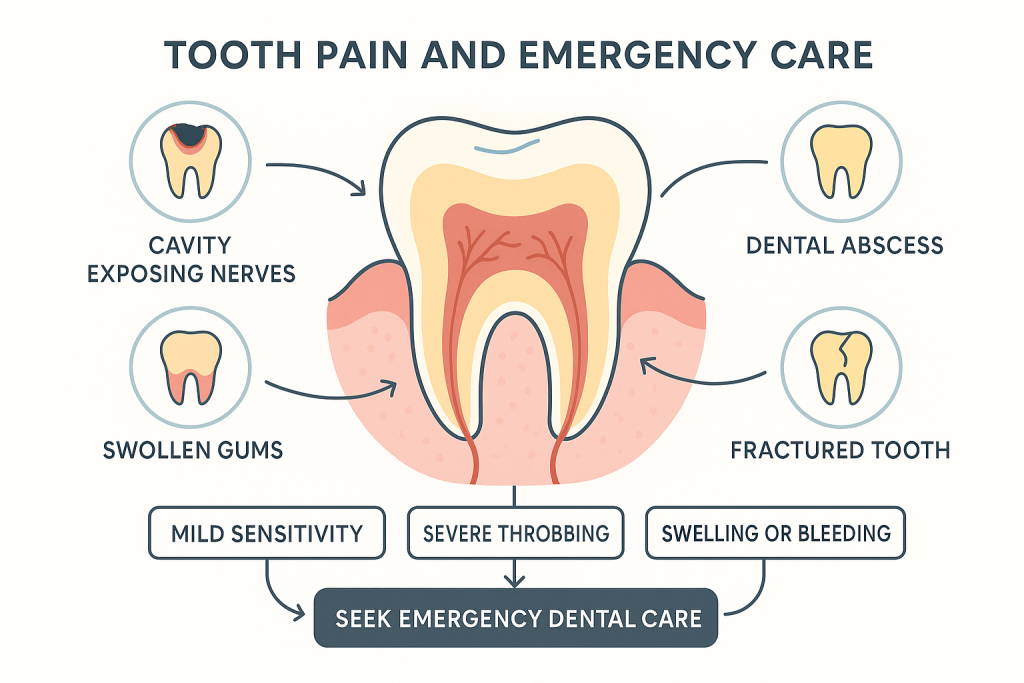
Tooth pain can take over fast. One moment you’re trying to finish your day, and the next you’re dealing with throbbing, pressure, swelling, or sharp pain when you bite. When the pain is intense, keeps getting worse, or appears with swelling or bleeding, waiting for a routine visit may not be the right choice.
How does an emergency dentist treat tooth pain? An emergency dentist treats tooth pain by finding the source of the problem, numbing the affected area, relieving pressure or infection, repairing damage, and helping protect the tooth whenever possible. Treatment may include X-rays, medication, a filling, a crown, drainage of a dental abscess, root canal therapy, or extraction when a tooth can’t be saved.
Emergency Dental Squad helps patients across the U.S. connect with local dentists 24/7. If you have dental pain that can’t wait, call now for fast guidance and help finding care near you.
When Tooth Pain Needs Emergency Dental Care
Some toothaches start small and fade after food is removed from between the teeth or sensitivity passes. Other pain points to deeper dental problems that need prompt treatment. The difference often comes down to severity, timing, swelling, and whether the pain is getting worse.
Severe tooth pain is one of the clearest reasons to call for emergency dental help. Pain that wakes you up, stops you from eating, spreads into the jaw or cheek, or doesn’t improve with over-the-counter medication may signal decay, a cracked tooth, nerve irritation, or infection. A dull ache can also turn into a dental emergency if it becomes constant or begins to throb.
Call for urgent help if you notice:
- Pain that feels sharp, deep, throbbing, or constant
- Swelling in your mouth, gums, jaw, cheek, or face
- Fever, pus, a bad taste, or signs of a dental abscess
- A broken tooth, loose tooth, lost filling, or damaged crown
- Bleeding that doesn’t slow with gentle pressure
- Pain after a fall, sports injury, or blow to the mouth
- Trouble opening your mouth, swallowing, or speaking
Tooth pain is often the body’s warning that something needs attention. The sooner a dentist evaluates the problem, the better the chance of calming pain, reducing infection risk, and saving natural teeth.
How Emergency Dental Teams Assess the Source of Pain
Emergency dental teams assess tooth pain by asking about your symptoms, checking your mouth, and using diagnostic tools to find the cause. The goal is not only to reduce pain for the moment. The dentist needs to understand why the pain started so they can treat the problem safely.
Your visit may begin with questions such as when the pain started, whether it comes and goes, what makes it worse, and whether you have swelling, fever, bleeding, or recent dental work. Be honest about your pain level and medical history. If you take medication, have allergies, are pregnant, or have a medical condition, tell the dental team before treatment begins.
The dentist may perform visual exams to check the teeth, gums, bite, tongue, and surrounding tissue. They may gently tap on teeth, test sensitivity to temperature, check for gum swelling, or look for cracks and worn dental work. X-rays can show decay, infection, bone changes, impacted teeth, and damage that’s not visible during a regular exam.
Once the source is found, the dentist can explain what’s happening and what they can treat that day. In many urgent visits, the first priority is pain control, infection management, and stabilization. Then your dentist may recommend follow-up care to finish a crown, complete a root canal, or monitor healing.
This step matters because tooth pain can come from many sources. A cavity, dying pulp, gum infection, sinus pressure, a cracked tooth, a wisdom tooth, or loose filling may feel similar at first. The right diagnosis helps prevent wasted time and repeat pain.
Treatments an Emergency Dentist May Use for Tooth Pain
Treatment depends on the cause of the pain. Some patients need a simple repair. Others need infection control, nerve treatment, or extraction. An emergency dentist numbs the work area when needed so treatment is more comfortable.
| Cause of Tooth Pain | How It May Feel | Possible Emergency Treatment |
| Deep cavity | Throbbing, sensitivity, pain when chewing | Filling, crown, medication, or root canal therapy |
| Dental abscess | Severe pain, swelling, pus, fever, bad taste | Drainage, antibiotics when appropriate, root canal, or extraction |
| Broken tooth | Sharp edge, pain when biting, sensitivity | Bonding, filling, crown, root canal, or tooth removal |
| Lost filling or crown | Exposed tooth, sharp pain, sensitivity | Temporary or permanent repair, new filling, crown re-cementing |
| Gum infection | Swollen gums, bleeding, soreness | Cleaning, infection treatment, medication, or follow-up periodontal care |
| Impacted wisdom tooth | Jaw pressure, swelling, trouble opening | Pain control, infection treatment, referral, or extraction |
Pain relief may begin with local anesthesia to numb the area. If decay is the cause, the dentist may remove damaged tooth structure and place a filling. If the tooth is weak or broken, a crown may be needed to protect it. If the nerve is infected or inflamed, root canal therapy may be used to remove the damaged tissue inside the tooth and stop the pain at its source.
For abscesses, treatment may involve addressing swelling, draining the infection, prescribing medication when needed, and treating the tooth with a root canal or extraction. Antibiotics alone usually don’t fix the source of a tooth infection. They may help control spread, but the tooth often still needs dental treatment.
If a tooth is too damaged to save, extraction may be the safest option. A dentist will explain why removal is recommended and what replacement options may be available later. While many patients worry about losing a tooth, removing a badly infected tooth can stop pain and protect nearby teeth and tissue.
Emergency dentistry can also repair broken dental work. A loose crown, cracked bridge, or broken denture can create pain, cuts, and bite problems. Same-day stabilization can make eating, speaking, and daily routines easier while a longer-term repair is planned.
What You Can Do Before Your Emergency Appointment
Home care can’t replace professional dental treatment, but it can help you stay more comfortable while you arrange urgent care. The safest steps are simple, gentle, and focused on protecting the affected area.
Before your visit:
- Rinse your mouth with warm water to clear debris.
- Use warm salt water if your gums feel irritated or swollen.
- Apply a cold compress to the outside of the cheek for swelling.
- Take over-the-counter pain medication only as directed on the label.
- Avoid chewing on the painful side.
- Stay away from very hot, cold, sweet, hard, or acidic foods.
- Save any broken tooth pieces, crowns, fillings, or dental appliances.
- Cover sharp edges with dental wax if they are cutting your tongue or cheek.
- Keep a knocked-out tooth moist in milk or a tooth preservation product.
- Call for help instead of waiting to see whether symptoms fade.
Don’t place aspirin directly on the gums or tooth. It can burn soft tissue and make the problem worse. Don’t try to drain swelling or an abscess at home. Don’t use household glue on crowns, bridges, dentures, or broken teeth.
If the pain starts on a weekend, overnight, or during travel, contact Emergency Dental Squad for help finding 24 hour emergency dental care near you. Fast scheduling can reduce stress when you don’t have a regular dentist or can’t wait for the next available routine appointment.
Emergency Dentist or Emergency Room for Tooth Pain?
Many people wonder what the ER can do for tooth pain. The emergency room can help with certain symptoms, especially when your safety may be at risk. However, the ER may not be able to repair a tooth, perform a root canal, replace a filling, or remove the source of dental pain in the same way a dentist can.
Go to the emergency room or call emergency services if you have trouble breathing or swallowing, major facial trauma, swelling that spreads quickly, uncontrolled bleeding, confusion, or signs of a serious spreading infection. These symptoms can lead to life-threatening complications and should be treated as urgent medical issues.
For most tooth pain, an emergency dental provider is the better fit because they can diagnose and treat the source inside your mouth. Dentists have the tools, X-rays, materials, and training needed to repair teeth, drain dental abscesses, treat infections, and perform procedures that bring lasting relief.
If you are unsure where to go, call for guidance. Describe your symptoms clearly, including pain level, swelling, fever, bleeding, trauma, and how long the problem has been happening. A trained team can help you decide whether to seek dental care, medical care, or both.
Patients without dental insurance should still ask about options. If you’re wondering what to do in a dental emergency with no money, call ahead and talk through payment methods, appointment availability, and treatment priorities. Getting help early may prevent a more costly and painful problem later.
Fast Relief Starts with the Right Dental Help
Tooth pain is a signal that your mouth needs attention. Sometimes the cause is a cavity or exposed filling. Other times it is an infection, broken tooth, damaged nerve, or swelling that should be treated quickly. The right emergency dentist can identify the source, relieve pain, and recommend the next step with clear communication.
Online pain tips, including the “3-3-3 rule” sometimes mentioned for toothaches, shouldn’t replace dental treatment. Pain medication may help for a short time, but it doesn’t remove decay, repair a crack, or clear an abscess. If pain is unbearable, keeps returning, or appears with swelling or fever, talk to a dentist as soon as possible.
Emergency Dental Squad is available 24/7 to help patients across the U.S. connect with trusted local dentists. Whether you need help with severe tooth pain, a broken tooth, a dental abscess, a lost crown, or urgent extraction, fast support is available.
Call (855) 907-3090 now for help finding emergency dental care near you.
