
Abscess Tooth Emergency Dentist
A tooth abscess can turn a normal day into an urgent problem fast. Severe tooth pain, gum swelling, facial pressure, a bad taste in your mouth, or fever may point to an infection that needs dental care right away. If you’re looking for an abscess tooth emergency dentist, Emergency Dental Squad helps connect you with a local provider who can evaluate the problem and help you get relief as quickly as possible.
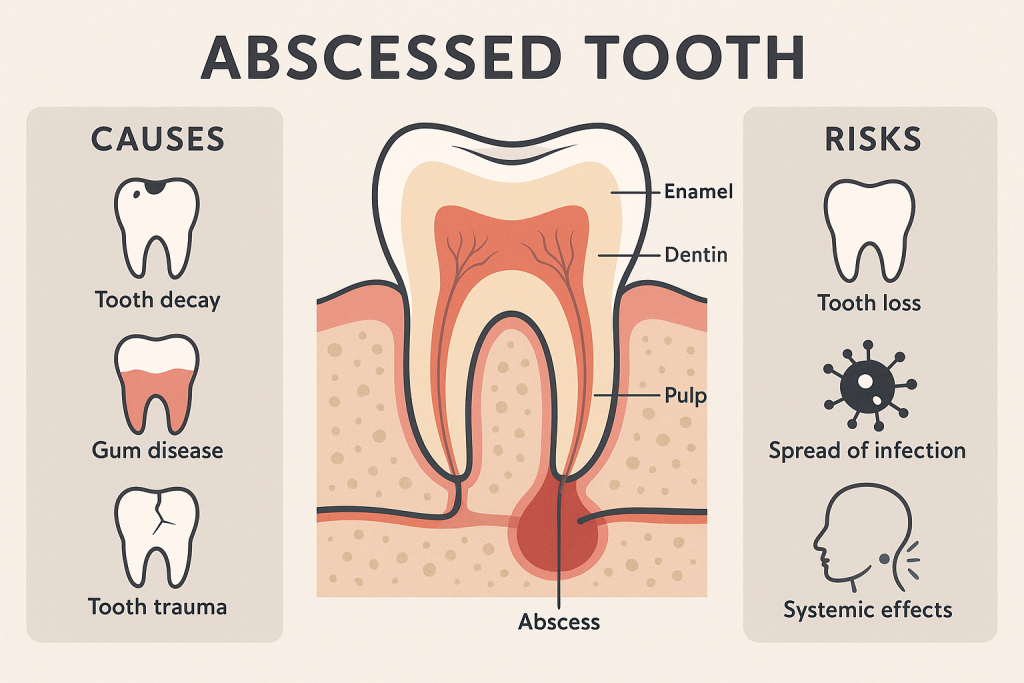
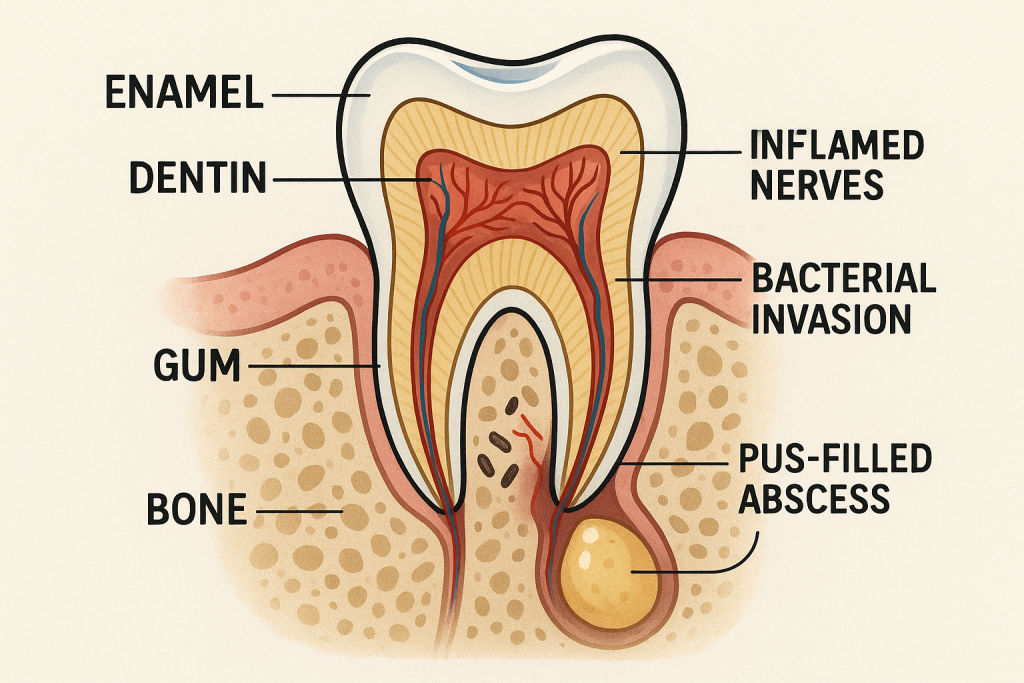
An abscess is a pocket of pus caused by bacteria. It can form near the tooth’s root, inside the gums, or around the supporting bone. The pain may come and go at first, then become steady, sharp, or throbbing. Some people feel pressure when biting. Others notice swelling around the jaw, cheek, or neck. These symptoms shouldn’t be ignored.
Emergency Dental Squad is built to help patients connect with local dental providers during moments like this. Dental emergencies don’t wait for office hours, and many people don’t have time to call clinic after clinic while the pain gets worse. Our service helps patients across the U.S. connect with emergency dentists who handle urgent tooth problems, including abscesses, toothaches, broken teeth, lost crowns, and extractions.
If you think you have a dental abscess, call now. A dentist can assess your symptoms, identify the source of the infection, and explain what treatment may be needed to protect your health and your smile.
When an Abscess Becomes a Tooth Emergency
Not every toothache feels the same, but an abscessed tooth often sends clear warning signs. Pain may spread from one tooth into the jaw, ear, neck, or head. Swelling can appear near the gums or face. You may also notice a pimple-like bump on the gum, pus drainage, bad breath, or a bitter taste.
A tooth abscess will require emergency care when symptoms suggest that the infection is spreading or causing severe discomfort. Call an emergency dentist right away if pain is intense, swelling is increasing, or you feel unwell.
Common tooth abscess danger signs include:
- Severe, throbbing, or constant tooth pain
- Facial, jaw, gum, or neck swelling
- Fever, chills, or feeling weak
- Pain when chewing or biting
- Sensitivity to hot or cold that lingers
- Pus, drainage, or a bad taste in the mouth
- Trouble opening your mouth, swallowing, or breathing
- A loose tooth near the painful area
If you have trouble breathing, trouble swallowing, severe facial swelling, or symptoms that feel life-threatening, seek emergency medical help. Hospitals with emergency dental resources may help stabilize serious symptoms, but a dentist is usually needed to treat the tooth itself.
A general dentist may be able to help during normal business hours, but a dentist emergency visit is often the better path when the pain is severe or the infection is progressing. Emergency dentistry focuses on urgent evaluation, pain control, infection management, and treatment planning when waiting could make the problem worse.
Don’t delay because the swelling has eased or the abscess has drained. Drainage may reduce pressure for a short time, but the infection can remain active near the root.
What Causes a Tooth Infection and Dental Abscesses
A tooth infection often starts when bacteria reach the soft inner pulp of the tooth. This can happen through untreated decay, a cracked tooth, deep gum disease, dental trauma, or an old filling or crown that no longer seals properly. Once bacteria reach the tooth’s nerve and blood supply, the infection can move toward the root and create an abscess.
The tooth’s outer enamel is strong, but it can’t repair deep damage on its own. A small cavity can grow until bacteria reach the inner canal. A cracked tooth can create a path for bacteria even if the crack is hard to see. Gum disease can also create pockets where bacteria collect around the tooth root. Learning more about common abscess causes can help you understand why prompt dental care matters.
Dental abscesses can affect people of all ages. They may be more likely if you have untreated cavities, poor gum health, dry mouth, a weakened immune system, or a history of repeated dental problems. Even people who brush and floss regularly can develop an abscess after injury or damage to dental work.
Here’s how symptoms may connect to the underlying problem:
| Symptom or Concern | What It May Mean | What to Do Next |
| Throbbing tooth pain | Infection may be pressing near the nerve or root | Call for an urgent appointment |
| Gum swelling or pus | An abscess may be draining or building pressure | See a dentist as soon as possible |
| Lingering heat or cold sensitivity | The pulp may be inflamed or infected | Avoid waiting for it to pass |
| Pain when biting | The root or surrounding tissue may be inflamed | Limit chewing on that side |
| Fever with dental pain | Infection may be affecting the body | Seek urgent dental or medical help |
| Facial swelling | Infection may be spreading beyond the tooth | Call immediately or seek emergency care |
The goal is to stop the infection, relieve pain, and protect nearby teeth and tissue. The sooner a dentist can evaluate the problem, the better the chance of avoiding a larger procedure.
How an Emergency Dentist Treats an Abscess
An emergency dentist will first review your symptoms, examine the painful area, and may take X-rays to see where the infection is located. The exam helps determine whether the abscess is connected to the tooth root, gum tissue, bone, or prior dental work.
Treatment depends on the severity of the infection and the condition of the tooth. The first priority is pain relief and infection control. Your dentist may numb the area, drain the abscess when appropriate, prescribe medication when needed, or recommend a procedure to address the source of the infection.
Possible abscess treatment options may include:
- Draining the abscess to reduce pressure and remove pus
- Antibiotics when infection has spread or swelling is present
- Root canal therapy to remove infected pulp and save the tooth
- A crown after root canal care to protect weakened tooth structure
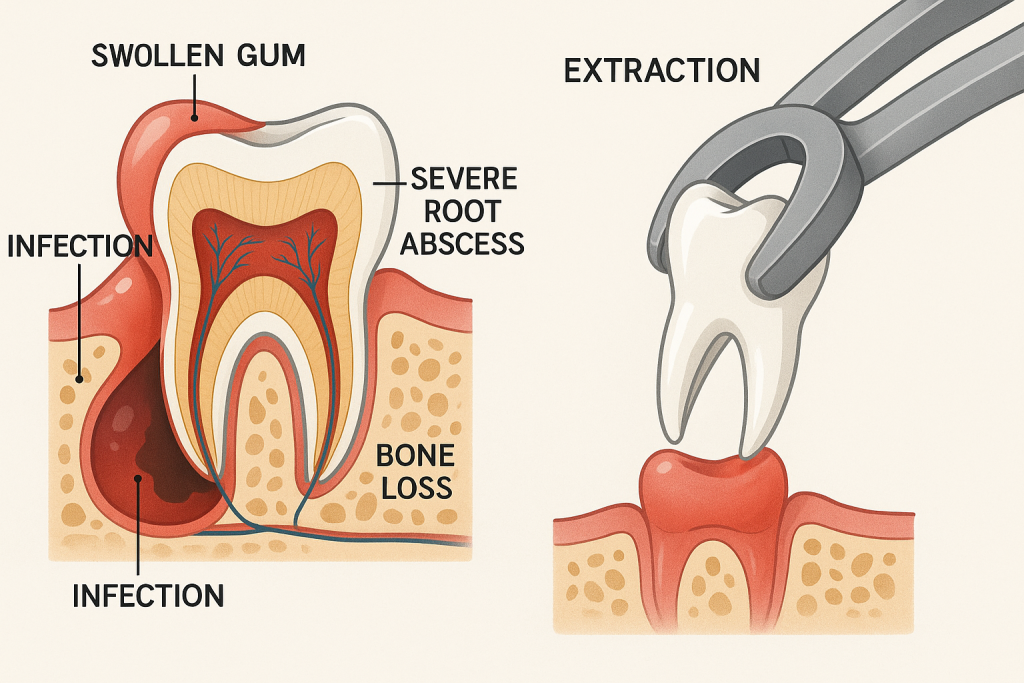
- Tooth extraction when the tooth can’t be saved safely
- Follow-up dental care to check healing and prevent reinfection
A root canal is often used when the natural tooth can still be saved. During this procedure, the dentist removes infected tissue from the canal, cleans the inside of the tooth, and seals it. In many cases, a crown is placed later to strengthen the tooth and help restore chewing function.
Tooth extraction may be needed if the tooth is badly damaged, the infection has weakened surrounding structures, or saving the tooth would create a high risk of recurring infection. No patient wants to lose a tooth, but removing the source of infection can be the safest option in severe cases.
Your dentist should explain the findings clearly, discuss costs and timing, and help you understand what comes next. Emergency Dental Squad helps you reach a local provider quickly so you can stop guessing and start getting answers.
Booking an Appointment with Emergency Dental Squad
Trying to schedule dental care while you’re in pain can feel stressful. Emergency Dental Squad keeps the process of finding urgent local dental care simple.
Call (855) 907-3090 and share what you’re experiencing, where you’re located, and how quickly you need care. The team can help connect you with local emergency dental options in your area.
The process is designed for urgent situations, including abscess pain, swelling, toothaches, broken teeth, lost fillings, loose crowns, and emergency tooth extraction needs. Same day we are open and available to help patients find timely care through our 24/7 model.
Here’s what you can expect when you reach out:
- First, you’ll describe your symptoms. Mention any swelling, fever, drainage, difficulty swallowing, recent injury, or medication you’ve taken. These details help determine how urgent the situation may be.
- Next, Emergency Dental Squad helps you look for appointment options based on your location and needs. Availability can vary by area, provider, and the type of care required, but the goal is always fast and easy scheduling.
- Then, you’ll receive guidance on the next step. That may mean heading to a dental clinic, preparing for an exam, or seeking medical care first if symptoms suggest a serious spreading infection.
- Before the visit, avoid placing heat on the swollen area unless a dentist tells you to. Don’t try to drain an abscess yourself. Over-the-counter pain relievers may help temporarily when used as directed, but they won’t treat the infection at the root.
If you’re searching for “24 hour emergency dental care near me” or “can you go to the emergency room for tooth pain,” Emergency Dental Squad can help with tooth-related concerns, but seek emergency medical care first if you have trouble breathing, trouble swallowing, severe facial swelling, or symptoms that feel life-threatening.
Why Patients Choose Emergency Dental Squad for Abscess Care
Emergency Dental Squad helps patients move from panic to action. When you’re dealing with tooth pain, swelling, or infection symptoms, you need a clear route to care. Our service connects patients with local dentists who handle urgent dental emergencies and can advise on treatment options for an abscessed tooth.
Patients choose Emergency Dental Squad because the service is available 24/7, supports fast scheduling, and helps people find dental help even when regular offices are closed. That matters when pain starts late at night, during a weekend, while traveling, or when you don’t already have a regular provider.
You also get a simpler experience. Instead of searching online for every nearby clinic, calling offices one by one, and trying to explain the same symptoms again and again, you can call one number and get help finding an appropriate provider.
The service is useful for people who need:
- Fast guidance when dental pain can’t wait
- Help finding a local dentist for urgent infection symptoms
- A same-day appointment when available
- Care outside normal office hours
- Support for abscesses, jaw swelling, broken teeth, extractions, crowns, and severe toothaches
Emergency Dental Squad is not a substitute for a dentist’s diagnosis, and it doesn’t replace emergency medical care when symptoms are life-threatening. Its role is to help you connect with dental care quickly, so a licensed provider can evaluate the problem and recommend the right treatment.
If your abscess has caused severe pain, swelling, or drainage, don’t wait for the next open weekday. Call and ask about urgent appointment options near you.
Preventing Future Dental Abscess Problems
After urgent abscess treatment, your dentist may recommend follow-up dental care to make sure the infection has cleared and the tooth or extraction site is healing properly. Keeping that appointment matters, especially if you were treated with drainage, a root canal, antibiotics, or tooth extraction.
Daily care also helps lower the risk of another tooth infection. Brush twice a day with fluoride toothpaste, floss daily, and keep up with routine dental visits when possible. Cavities, cracked teeth, gum disease, and damaged dental work can all create openings for bacteria, so early treatment can help stop a small issue from turning into another abscess.
Pay close attention to recurring pain, swelling, sensitivity, or a bad taste in your mouth. These symptoms may mean an infection is returning or a new problem is developing. If symptoms come back, Emergency Dental Squad can help you look for urgent local dental options before the pain becomes harder to manage.
Frequently Asked Questions About Abscess Treatment
What will an emergency dentist do for an abscess?
An emergency dentist will examine the area, review your symptoms, and may take X-rays to find the source of the infection. Treatment may include draining the abscess, prescribing antibiotics when appropriate, performing a root canal, placing a crown after treatment, or removing the tooth if it can’t be saved.
Is a tooth abscess considered a dental emergency?
Yes, it can be. A dental abscess involves infection, and infection can spread if it isn’t treated. Severe pain, swelling, fever, pus, or trouble swallowing should be treated as urgent. If breathing or swallowing is affected, seek emergency medical care.
Can you go to the emergency room for a tooth infection?
You can go to the ER if symptoms are severe, especially if you have facial swelling, fever, trouble breathing, trouble swallowing, or feel very ill. An ER may help stabilize serious symptoms, but most hospitals don’t provide full dental treatment. You’ll still need a dentist to treat the tooth.
What is the 3 3 3 rule for tooth infection?
Some people use “3 3 3” as a reminder to take over-the-counter pain medicine on a schedule, but you should only take medication according to the label or a clinician’s instructions. Pain medicine does not cure a tooth infection. If you suspect an abscess, contact a dentist.
What is a Stage 2 tooth infection?
People may use staging terms differently, but a progressing infection usually means bacteria have moved deeper into the tooth or surrounding tissue. Symptoms may include stronger pain, swelling, sensitivity, or pressure near the root. A dentist can confirm what’s happening and recommend care.
Will antibiotics alone fix an abscessed tooth?
Antibiotics may help control spreading infection, but they usually don’t remove the source inside the tooth. Many abscesses need dental treatment such as drainage, root canal therapy, or extraction. Your dentist will explain which option fits your situation.
Call Emergency Dental Squad for Urgent Abscess Relief
A tooth abscess can be painful, frightening, and hard to manage on your own. You don’t have to wait and hope it improves. Emergency Dental Squad helps connect you with emergency dental care 24/7, so you can get answers, relief, and a treatment plan from a local provider.
Call (855) 907-3090 now if you have severe tooth pain, swelling, drainage, a bad taste, fever, or pressure near the jaw. Fast action can help reduce discomfort, lower the risk of the infection spreading, and give you a clearer path forward.
Emergency Dental Squad is here to help you find the right dental care when you need it most.
