
What Is the Cost of a Tooth Filling? Fillings Cost and Care Options
If you are asking what is the cost of a tooth filling, you may already be dealing with tooth pain, sensitivity, or a cavity found during a dental exam. The price can vary because every tooth is different. A small cavity on one surface may be simpler to repair than a larger area of tooth decay that affects multiple sides of the tooth. The material, the dental practice, insurance coverage, and the urgency of care can all affect the total.
Emergency Dental Squad helps patients connect with dental care when they need answers quickly. If pain is interrupting your day, a filling has cracked, or you have been told you need a cavity filling, our team can help you find a provider who can examine the tooth and explain your options.
Dental fillings restore teeth damaged by decay, wear, or minor fractures. During the appointment, the dentist removes the damaged area, cleans the cavity, places the filling material, and shapes it so the tooth feels comfortable when you bite. The goal is to protect the tooth, reduce pain, and prevent the decay from spreading deeper.
Many patients worry about cost before scheduling treatment. That is understandable. Filling costs can feel unclear when insurance, material choices, X-rays, exams, and urgency all play a part. The best first step is to have the tooth evaluated. Once the dentist knows the size and location of the cavity, the office can give a clearer estimate.
Why Fillings Cost Different Amounts
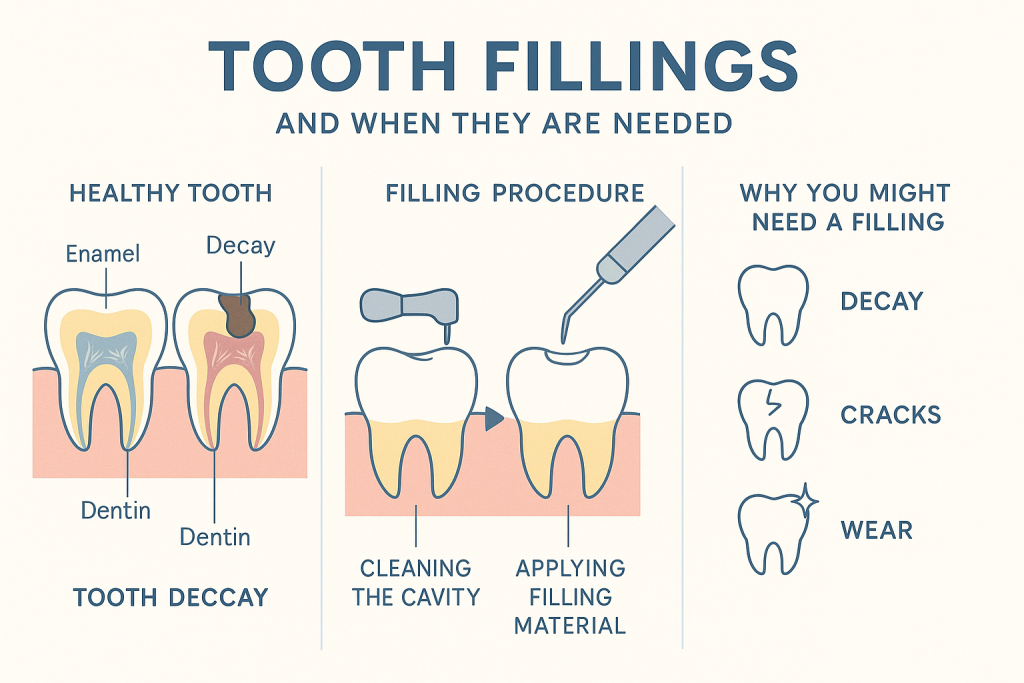
Fillings cost different amounts because treatment depends on the condition of the tooth. A small cavity found early may require less time, less filling material, and a simpler appointment. A deeper cavity may take longer to clean, may need a stronger restoration, and may require additional imaging or follow-up care.
The tooth’s location matters too. Front teeth often need a material that blends with your smile. Back teeth handle heavier chewing pressure, so strength can be a bigger concern. A dentist may recommend different materials depending on where the cavity is and how much healthy tooth structure remains.
The number of tooth surfaces involved also affects filling cost. A one-surface filling is usually simpler than a repair that covers two, three, or four surfaces. If the decay is large, a regular dental filling may not be enough. In some cases, the dentist may recommend a crown, inlay, onlay, or root canal evaluation instead of a standard filling.
Other factors that may affect costs include:
- Whether the visit is routine or urgent
- Whether X-rays or an exam are needed
- The type of filling material used
- The size and depth of the cavity
- Whether you have dental insurance
- Whether the dentist is in your insurance network
- The region where you receive care
- The dental practice’s fees and payment policies
- Whether sedation or extra comfort options are requested
Dental insurance can reduce out-of-pocket expenses, but coverage varies. Some plans help pay for basic dental fillings while leaving part of the bill to the patient. Others may cover silver amalgam at one level and composite resin at another. The office should be able to check benefits and provide an estimate before treatment begins.
If you do not have insurance, ask about payment plans, savings options, or phased care if you need multiple fillings. Emergency Dental Squad can help connect you with a provider who can discuss pricing and appointment availability without leaving you to search while you are in pain.
Filling Materials: Silver Amalgam, Composite Resin, and Porcelain
The material selected for a tooth filling is one of the main factors that affects price. Each material has its own appearance, strength, and typical use. Your dentist can explain which option fits your tooth, bite, budget, and cosmetic goals.
Silver amalgam fillings are made from a blend of metals. They have been used in dentistry for many years and are often chosen for back teeth because they can handle strong chewing pressure. Silver amalgam is visible when you open your mouth, so it may not be the first choice for a front tooth or a highly visible area.
Composite resin fillings are tooth-colored and can be matched to your natural teeth. Many patients prefer composite for visible areas because it blends with the smile. Composite bonds to the tooth structure and works well for many small to moderate cavities. It may cost more than amalgam in some offices, depending on the plan, provider, and tooth location.
Porcelain or ceramic restorations may be recommended for certain larger repairs or cosmetic needs. Porcelain can look natural and resist staining, but it often costs more than other materials. Some cases may require a separate lab process or advanced planning, which can affect timing and expenses.
| Filling material | Common use | Appearance | Cost considerations |
| Silver amalgam | Back teeth and chewing areas | Silver-colored | Often one of the lower-cost options |
| Composite resin | Visible teeth and small to medium cavities | Tooth-colored | May cost more than amalgam, depending on coverage |
| Porcelain or ceramic | Larger or cosmetic restorations | Tooth-colored | Often higher in price due to material and process |
| Glass ionomer | Small repairs, baby teeth, or low-pressure areas | Tooth-colored | May be used in select cases, often based on tooth needs |
No single material is right for every patient. A low-cost option may work well for one tooth, while another tooth may need a stronger or more natural-looking material. Ask your dentist why a material is being recommended, how long it may last, and what your insurance may cover.
If you are comparing resin fillings, amalgam fillings, or porcelain options, remember that the cheapest choice is not always the best fit for the tooth. A good repair should seal the cavity, support chewing, and protect the tooth from further damage.
Dental Insurance, Medicaid, and Out-of-Pocket Expenses
Dental insurance can make a major difference in filling cost, but the details matter. Most plans separate services into categories such as preventive care, basic care, and major care. Dental fillings are often considered basic care, but the percentage covered depends on the plan.
Before your appointment, ask whether your plan has a deductible, waiting period, annual maximum, or network rules. A deductible is the amount you pay before coverage begins. An annual maximum is the total amount the plan will pay during a benefit year. If you have already used much of your yearly benefit, your out-of-pocket expenses may be higher.
Some dental insurance plans pay differently based on the material. For example, a plan may cover an amalgam material on a back tooth but only pay that amount toward a tooth-colored composite filling. In that case, the patient may pay the difference. This is sometimes called a material downgrade or alternate benefit, depending on the plan wording.
Medicaid dental coverage varies by state and by age group. Children often have broader dental benefits than adults, but rules differ. If you have Medicaid, ask the dental office whether they accept your plan and what services are covered for cavity treatment.
If you do not have insurance, you still have options. Many dental offices offer payment plans, cash pricing, membership savings, or third-party financing. Some community clinics may offer reduced-fee care for eligible patients. Emergency Dental Squad can help you locate dental care and ask the right cost questions before you schedule.
Helpful questions to ask the office include:
- Do you accept my dental insurance or Medicaid plan?
- Is the dentist in-network with my provider?
- What portion of the cavity filling is likely covered?
- Does my plan cover composite resin or only amalgam fillings?
- Will I need X-rays or an exam before treatment?
- Can I receive a written estimate before the procedure?
- Are payment plans available if I do not have coverage?
- Is there an emergency visit fee?
Clear estimates help you plan. They also help you decide whether to treat one cavity at a time or multiple teeth during the same visit. If you need several fillings, ask whether the office can prioritize the teeth most at risk first.
Emergency Dental Filling Cost and What Happens During Treatment
Emergency dental visits may cost more than routine appointments because they often require faster scheduling, same-day assessment, or after-hours availability. Still, delaying care can lead to higher costs later if decay reaches the nerve or the tooth breaks.
You may need urgent dental care if you have severe pain, swelling, a cracked tooth, a lost filling, or sensitivity that makes eating difficult. These symptoms can point to exposed tooth structure, deep decay, infection, or bite-related damage. Emergency Dental Squad helps patients connect with providers who can evaluate urgent concerns and explain treatment options.
During an emergency visit, the dentist will usually begin with an exam and may take X-rays. If a filling is the right treatment, the dentist will numb the area, remove decay, clean the cavity, place the dental filling material, and shape the surface. If the tooth needs more care than a filling can provide, the dentist may recommend a crown, root canal evaluation, extraction, or another plan.
Some patients expect every painful cavity to be filled the same day. Often, that is possible, but it depends on the tooth. If infection or deep nerve involvement is present, a filling alone may not solve the pain. The dentist needs to diagnose the source before choosing treatment.
Pain control is part of the appointment. Local anesthetic helps keep the tooth comfortable while the dentist works. If you are nervous, ask whether the office offers additional comfort options. Some choices may add to costs, so it is smart to ask about fees before treatment begins.
After the filling is placed, the dentist checks your bite. A filling that is too high can cause pain when chewing. A quick adjustment can often solve that issue. You may have mild sensitivity for a few days, especially with hot or cold foods, but it should improve. If pain gets worse or your bite feels uneven, call the dental office.
Emergency treatment can provide fast relief, but the goal is also long-term protection. A properly placed filling helps seal the tooth against bacteria and restores chewing function. Acting quickly can help you avoid a larger procedure later.
How to Budget for Dental Fillings and Reduce Future Costs
Budgeting for dental fillings starts with getting accurate information. A phone quote may give a general idea, but the dentist needs to see the tooth before giving a reliable estimate. The size of the cavity, the number of surfaces, and the material all affect cost.
Ask the office to separate the estimate into parts. You may see charges for the exam, X-rays, filling, emergency visit, or other services. If you have insurance, ask what the plan is expected to pay and what you may owe. If you do not have coverage, ask about payment timing and whether discounts or financing are available.
If you need several fillings, ask whether it is cheaper or more practical to treat multiple cavities at once. Sometimes one visit can reduce repeat exam or office costs. In other cases, spreading treatment out may be better for comfort, scheduling, or insurance limits.
Preventive care is one of the best ways to lower future dental costs. Small cavities are usually easier to repair than large cavities. Regular cleanings and exams allow dentists to catch decay early. Fluoride, sealants, improved brushing, and diet changes can also reduce cavity risk.
To help prevent future tooth decay and higher expenses:
- Brush twice daily with fluoride toothpaste
- Floss once a day, especially between back teeth
- Limit frequent sugary snacks and drinks
- Drink water after meals when brushing is not possible
- Keep regular dental exams and cleanings
- Ask about fluoride treatment if you get cavities often
- Wear a night guard if grinding damages your teeth
- Call early when pain or sensitivity begins
A filling can last for years, but no dental filling lasts forever. Fillings may wear down, crack, or loosen over time. Regular dental visits help monitor older restorations before they fail. Replacing a worn filling early may cost less than treating decay that develops under it.
Get Help Understanding Tooth Filling Costs
The cost of a tooth filling depends on the cavity, material, insurance, provider, and timing of care. The most reliable way to understand your price is to have the tooth examined and request an estimate before treatment begins.
Emergency Dental Squad is here to help when you need dental care, cost guidance, or fast support for tooth pain. Whether you are comparing amalgam fillings, composite resin, porcelain, insurance benefits, or payment options, our team can help you connect with a provider who can explain your choices clearly.
Do not wait for a small cavity to become a larger problem. Contact Emergency Dental Squad today to find dental care, review your options, and take the next step toward a healthier, more comfortable smile.
