
Where to Get Broken Tooth Repair for a Chipped or Cracked Tooth
A chipped, cracked, or broken tooth can turn a normal day into a painful emergency. It may happen while eating, playing sports, falling, grinding your teeth, or dealing with an older filling that no longer supports the tooth. Some breaks are easy to see. Others hide below the surface and cause pain only when you bite down.
Fast help matters. A damaged tooth can become more painful, collect bacteria, or break further if it is not checked by a dental professional. The right treatment can reduce discomfort, protect your oral health, and help restore the way your tooth looks and works.
Where to get broken tooth repair? Emergency Dental Squad helps patients across the United States find emergency dental care when tooth pain, broken teeth, swelling, or dental injuries cannot wait. If you are unsure what to do next, you can call for help finding a local dentist who can evaluate the injury and discuss repair options.
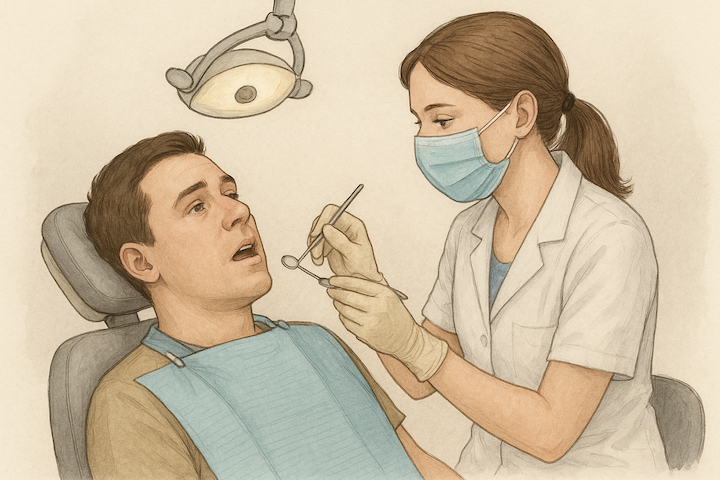
Understanding Broken, Chipped, and Cracked Teeth
Tooth damage can look different from person to person. A small chip may remove only a bit of enamel from the edge of the tooth. A crack may run through the tooth without a missing piece. A larger break may expose the inner layer of the tooth, making the area sensitive, painful, or vulnerable to infection.
- A chipped tooth often feels rough or sharp. You may notice it with your tongue before you see it in the mirror. Chipped teeth can happen after biting something hard, taking a hit to the mouth, or grinding your teeth over time. Even a small chip should be checked if it feels sharp, hurts, or changes your bite.
- A cracked tooth can be harder to identify. The tooth may look normal but hurt when you chew or release pressure after biting. You may also feel sensitivity to cold, heat, or sweet foods. Some cracks are shallow. Others travel deeper and may place the tooth at risk.
- A broken tooth may involve a larger missing piece, bleeding, swelling, or pain that does not settle down. If the root is affected or the pulp is exposed, the damage may require urgent dental care. In severe cases, a broken tooth root still in gums may need advanced treatment, extraction, or replacement planning.
Common causes of tooth damage include hard foods, sports injuries, falls, car accidents, untreated cavities, large older fillings, teeth grinding, and using teeth to open packages or hold objects. These situations can weaken enamel or put sudden force on the tooth.
Warning signs should not be ignored. Pain when biting, swelling around the gum, bleeding, a bad taste, pus, fever, a loose tooth, or a tooth that turns darker can point to a deeper problem. If you notice any of these symptoms, prompt dental care can help reduce the chance of infection, tooth loss, and larger repairs.
What to Do Right Away after a Tooth Breaks
The first few minutes after the tooth damage can affect comfort and treatment options. Home care cannot repair the tooth permanently, but it can protect your mouth until a dentist examines the area.
If a piece breaks off, stay calm and check the area carefully. Rinse your mouth with warm water to remove blood, food, or grit. Avoid scrubbing the damaged area. If there is bleeding, apply gentle pressure with clean gauze or a soft cloth. A cold compress on the outside of the cheek may help reduce swelling and soreness.
If you find a tooth fragment, save it. A dentist may be able to bond the piece back in certain cases, especially when the fragment is clean and intact. Place it in milk, saline, or a small container with your saliva to keep it moist until your visit.
Avoid chewing on the injured side. Choose soft foods and skip hard, sticky, crunchy, very hot, or very cold items. If the tooth has a sharp edge, dental wax or sugar-free gum can cover the area for short-term protection. This can help prevent cuts to your tongue, cheek, or lip.
Do not use household glue or craft adhesive on a tooth. Glue can irritate tissue, damage the tooth surface, and make treatment harder. A chipped tooth repair kit or temporary dental cement from a pharmacy may offer short-term coverage, but it is not a permanent fix.
Use over-the-counter pain relief as directed on the label. Do not place aspirin directly on the tooth or gum, since it can burn or irritate soft tissue.
| Care Step | Why It Helps | What to Do | What to Avoid |
| Rinse gently | Clears debris and lowers irritation | Use warm water and swish carefully | Do not scrub the damaged area |
| Control bleeding | Protects tissue and helps you assess the injury | Apply clean gauze with light pressure | Do not use rough cloths or paper products |
| Save the piece | May help with repair options | Keep the fragment moist in milk or saline | Do not let it dry out |
| Use a cold compress | Helps with swelling and pain | Hold it to the cheek in short intervals | Do not place ice directly on skin |
| Protect sharp edges | Prevents cuts inside the mouth | Use dental wax or sugar-free gum temporarily | Do not file the tooth yourself |
Even if pain fades, schedule an exam. A damaged tooth can have hidden cracks or nerve irritation that only a dental professional can confirm.
When to Contact an Emergency Dentist
Some tooth injuries can wait for the next available dental appointment. Others need immediate care. The safest choice is to call when you are unsure, especially if there is pain, swelling, bleeding, or visible damage.
You should seek urgent dental help if you have severe pain, a large missing piece, a broken front tooth, a loose tooth, facial swelling, fever, pus near the gum, bleeding that will not stop, or sensitivity that lingers. These symptoms can point to infection, deep cracks, or damage inside the tooth.
A cracked broken tooth can worsen when you continue chewing. What begins as a minor line in the enamel can spread under biting pressure. If the crack reaches the pulp, you may need root canal therapy before the tooth can be restored. If the tooth splits below the gumline, tooth extractions may be considered.
You should also call quickly if dental work breaks. A lost filling, damaged crown, broken bridge, or cracked denture can change your bite and expose sensitive areas. Emergency dentistry can help stabilize the problem and reduce discomfort.
Many people wonder how to fix a cracked tooth without going to the dentist. The honest answer is that you can only protect it temporarily at home. A dentist needs to check the depth, location, and stability of the damage. Waiting too long can turn a simple repair into a higher-cost treatment.
Cost is another common concern. The cheapest way to fix a broken tooth depends on the damage. Minor chips may be treated with smoothing or dental bonding. Larger injuries may need dental fillings, a crown, root canal therapy, or replacement if the tooth cannot be saved. Early care often gives you more options.
If insurance is a concern, ask about payment plans, financing, community clinics, dental schools, or staged treatment. Emergency Dental Squad can help you connect with a provider and ask practical questions before your visit.
How Emergency Dental Squad Helps You Find Dental Care
When a tooth breaks, searching for help can feel stressful. Regular offices may be closed. You may be traveling, away from your usual dentist, or unsure whether the damage is serious. Emergency Dental Squad is built for those moments.
Emergency Dental Squad connects patients with local dental professionals who handle urgent dental problems, including toothaches, chipped teeth, broken teeth, abscesses, swelling, lost fillings, damaged crowns, and mouth injuries. The service is available 24/7, so patients can look for help during evenings, weekends, holidays, or overnight emergencies.
Instead of calling office after office, you can reach out for help finding a dentist near you. The goal is simple: faster access, less confusion, and a clear next step when you are in pain or worried about your tooth.
Emergency Dental Squad also supports the type of care patients often need after tooth damage. That may include exams, X-rays, pain relief, dental bonding, fillings, crowns, root canals, extractions, bridges, dentures, or dental implant planning. The exact treatment depends on your exam and the condition of the tooth.
The brand’s approach is especially helpful for patients who do not have a regular dentist or need same-day direction. If you are dealing with a broken tooth after hours, the team can help you find care instead of waiting and hoping the pain improves.
Calling early can also protect your health. Dental infections can spread, and deep fractures can become harder to treat if ignored. Quick evaluation can help a provider decide whether the tooth can be repaired, protected, or needs a different treatment plan.
Repair Options for a Chipped, Cracked, or Broken Tooth
The right repair depends on the size of the injury, where the tooth is located, how much healthy structure remains, and whether the nerve is involved. A dentist will usually examine the tooth, check your bite, and take X-rays before recommending treatment.
Dental bonding is often used for small chips and cosmetic damage, especially on front teeth. A tooth-colored resin is shaped to match the natural tooth, then hardened with a curing light. This can smooth rough edges, improve appearance, and restore minor structure in one visit.
Dental fillings may be used when the damage affects a small or moderate area, often on a back tooth. A filling can replace missing structure and help seal the tooth against bacteria. Tooth-colored fillings are common when appearance matters.
A dental crown may be recommended when the tooth has lost a larger portion of structure. The crown covers the visible part of the tooth and helps restore strength for chewing. Crowns are often used when old fillings, decay, or cracks have weakened the tooth.
Root canal treatment may be needed when a break reaches the pulp. Symptoms can include severe pain, lingering sensitivity, swelling, or a bump on the gum. During root canal treatment, damaged tissue is removed from inside the tooth. The tooth is then sealed and often protected with a crown.
Veneers may be used for some front-tooth injuries when the damage is mostly cosmetic and the tooth is stable. A veneer covers the front surface and can improve shape, size, and color.
If the tooth cannot be saved, extraction may be recommended. Replacement options may include a bridge, partial denture, full dentures when several teeth are missing, or an implant. Dental implant treatment is usually planned after infection and trauma are addressed.
Broken front tooth repair cost varies by treatment. Bonding is often less expensive than crowns, veneers, root canal therapy, or implant treatment. Your provider can explain the cost, insurance options, and payment choices before treatment begins.
The most important step is getting the tooth examined. A small chip, deep crack, and infected break can look similar at first but need very different care.
Get Fast Dental Relief and Protect Your Smile
A broken, chipped, or cracked tooth can affect your comfort, eating, speech, and confidence. It can also place your oral health at risk if bacteria enter the damaged area or the crack spreads deeper.
Don’t wait for severe pain before getting help. Rinse your mouth, protect the tooth, avoid chewing on that side, save any broken piece, and contact a dentist as soon as possible. These steps can help reduce discomfort while you wait for professional care.
Emergency Dental Squad helps patients find emergency dentists for urgent tooth damage, tooth pain, swelling, broken dental work, and other time-sensitive concerns. Whether you need a simple repair or a deeper treatment plan, a dental professional can explain your options and help you move forward.
If your tooth is sharp, painful, swollen, bleeding, cracked, or visibly broken, call Emergency Dental Squad now. Fast help can make the situation easier to manage and may help save your tooth.
